

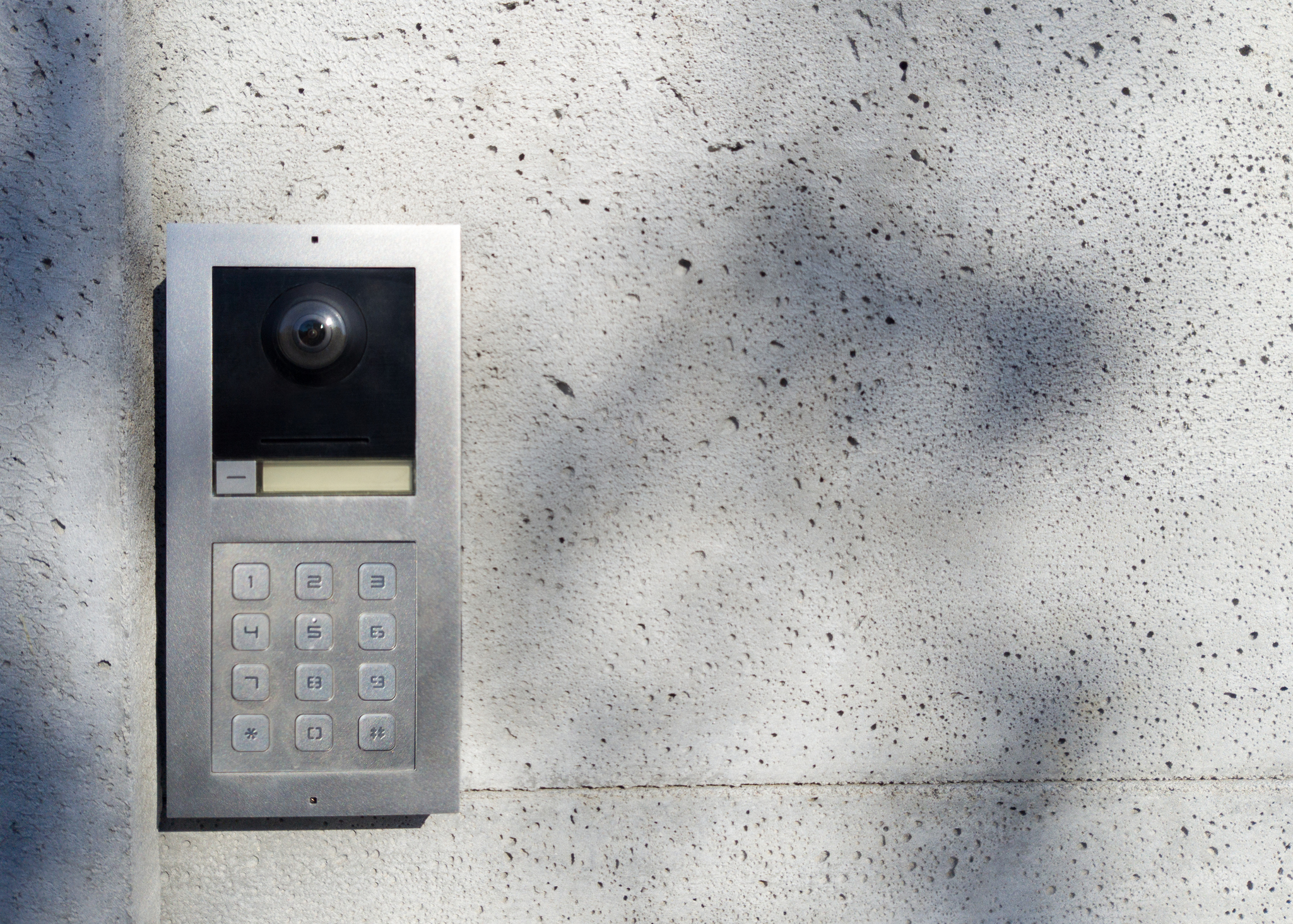
Telephone Intercoms vs. IP Intercoms: Which Is Best for Your Property?
For property managers and building owners in New York City, choosing the right intercom system is a critical decision. Intercoms are a key component of building security, communication, and tenant satisfaction. Two primary types of intercom systems are commonly considered: traditional telephone (analog) intercoms and IP-based intercoms. Understanding the differences, advantages, and limitations of each can help you determine which system is best for your property.
What Are Telephone Intercoms?
Telephone intercoms, also known as analog intercoms, have been a staple in NYC buildings for decades. They use dedicated wiring to connect individual units, allowing tenants to speak with visitors at building entrances or common areas.
Key Features of Telephone Intercoms:
Voice-only communication in most cases
Simple and reliable technology
Often integrated with door release mechanisms
Low initial cost compared to modern IP systems
Advantages of Telephone Intercoms:
Proven reliability with minimal technology issues
Easy for residents to use without training
Low maintenance costs for small buildings
Limitations of Telephone Intercoms:
No video capability, limiting verification of visitors
Limited scalability—adding new units often requires additional wiring
Difficult to integrate with modern security systems like cameras or mobile apps
What Are IP Intercoms?
IP intercoms leverage internet protocol (IP) to transmit audio, video, and control signals over a network. They are often cloud-enabled and can integrate with other security technologies.
Key Features of IP Intercoms:
High-definition audio and video communication
Remote access via smartphones or computers
Integration with access control, surveillance, and alarm systems
Scalable for large or multi-building properties
Advantages of IP Intercoms:
Enhanced security with visual verification of visitors
Ability to manage access remotely, ideal for NYC high-rises
Easier upgrades and future-proof technology
Centralized management for multi-site buildings
Limitations of IP Intercoms:
Higher upfront installation cost
Dependence on reliable network infrastructure
Requires occasional software updates and technical support
Key Considerations for NYC Property Managers
When deciding between telephone and IP intercom systems, consider the following:
Building Type & Size:
Smaller residential buildings may function well with a telephone intercom system, while high-rise apartments or large commercial properties often benefit from the scalability and integration of IP intercoms.Security Needs:
If visual verification, remote access, or integration with cameras and access control is important, IP intercoms provide superior protection.Budget:
Telephone intercoms have lower upfront costs, but IP intercoms may save money long-term by reducing security risks and supporting easier management.Tenant Expectations:
NYC residents increasingly expect modern amenities. Mobile app access, video verification, and seamless building security can improve tenant satisfaction and retention.Future-Proofing:
IP systems are designed to evolve with technology, while analog telephone intercoms may become increasingly difficult to maintain or upgrade over time.
Making the Right Choice for Your Property
For smaller, traditional buildings or those on a tight budget, telephone intercoms can provide reliable, straightforward communication. However, for larger properties, high-rises, or buildings seeking integrated security and convenience, IP intercoms offer advanced functionality, scalability, and peace of mind.
Paragon Security & Locksmith Can Help
Whether you’re looking to maintain a traditional telephone intercom system or upgrade to a modern IP intercom, Paragon Security & Locksmith has the expertise to guide NYC property managers through every step. Our team ensures professional installation, seamless integration, and reliable ongoing support.
Contact Paragon Security & Locksmith today to schedule a consultation and find the best intercom solution for your property.